
How Solar Energy Works and Why It’s Ideal for Homes and Businesses in South Africa
In recent years, solar energy has gained significant traction in South Africa, becoming a pivotal part of the nation’s energy strategy. Due to the abundant sunshine and the rising cost of electricity, many homeowners and businesses are turning to solar solutions as a sustainable and cost-effective alternative. This article explores how solar energy works and examines why it is a perfect fit for residences and enterprises across South Africa.
Understanding Solar Energy
Solar energy is derived from the sun’s radiation, which can be harnessed for various applications, primarily electricity generation and heating. The two main technologies used to capture solar energy are photovoltaic (PV) systems and solar thermal systems.
1. Photovoltaic (PV) Systems:
– The Photovoltaic Effect: PV panels consist of solar cells made from semiconductor materials, usually silicon. When sunlight strikes these cells, it excites electrons, creating an electric current. This process is known as the photovoltaic effect.
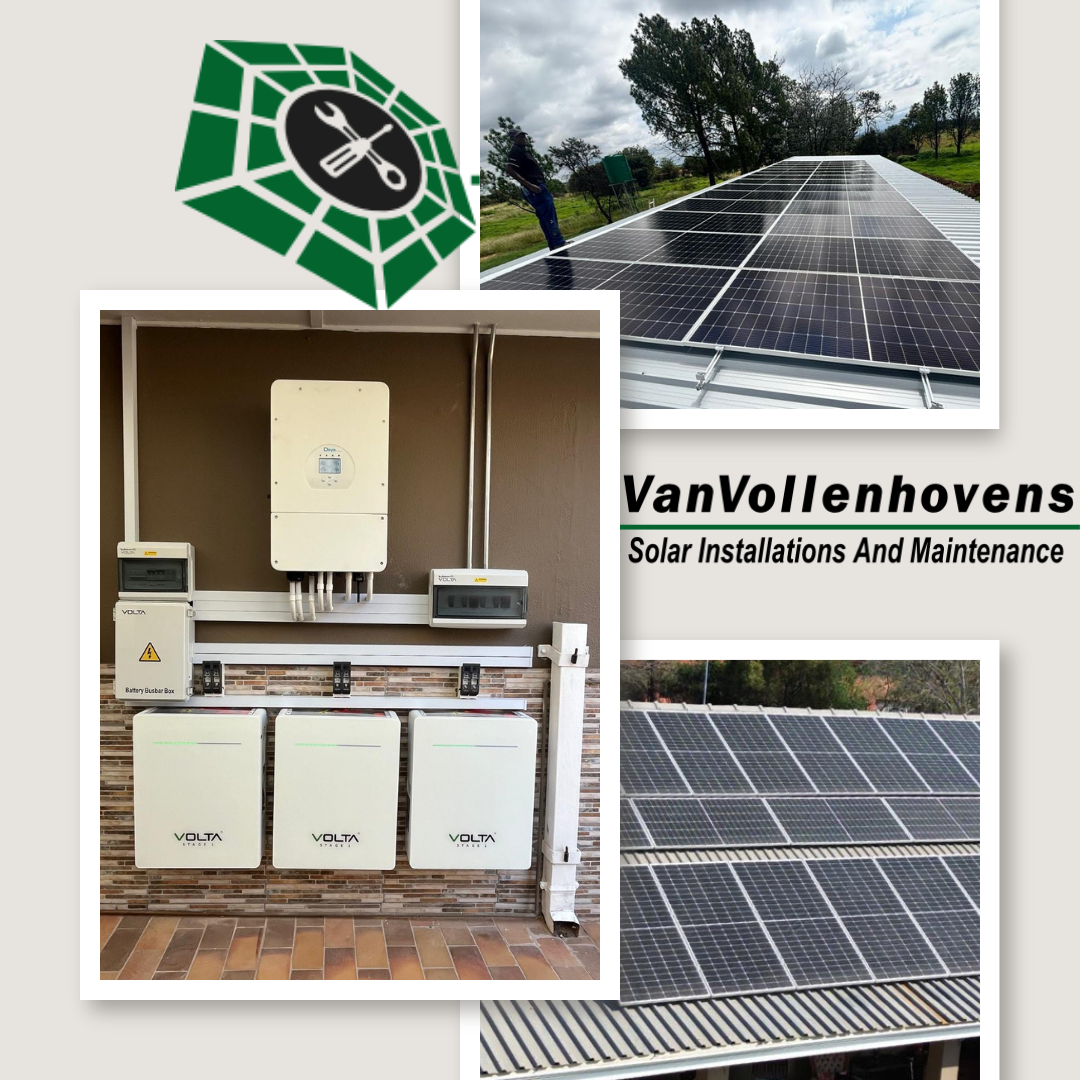
– Inverters: The electricity produced by solar panels is in direct current (DC) form. An inverter converts this DC into alternating current (AC), which is the type of electricity used in homes and businesses.
– Grid-Tied Systems: Many solar systems in South Africa are grid-tied, meaning they are connected to the national electricity grid. This setup allows users to draw power from the grid when solar production is insufficient and send excess energy back, often receiving credits through net metering.
2. Solar Thermal Systems:
– Heating Water and Spaces: Solar thermal technology harnesses sunlight to heat a fluid, which can then be used for residential water heating or space heating in commercial settings. This technology is particularly popular in South Africa for heating domestic water.
– Concentrated Solar Power (CSP): CSP systems utilize mirrors or lenses to focus sunlight onto a small area, generating heat that can be converted to electricity. While CSP is more common in large-scale solar farms, it represents a significant opportunity for utility-scale energy generation in South Africa.
Benefits of Solar Energy for Homes in South Africa
1. Cost Savings: One of the most compelling reasons to invest in solar energy is the potential for substantial savings on electricity bills. South Africa faces high energy costs, and generating your own electricity can significantly reduce monthly expenses. Government incentives, such as tax credits and rebates, further enhance the affordability of solar installations.
2. Energy Independence: Solar energy provides homeowners with greater control over their energy consumption. With frequent power outages and load shedding in South Africa, a solar energy system can offer a reliable power source, ensuring that households remain powered even during grid failures.
3. Environmental Impact: Solar energy is a clean, renewable resource that helps reduce greenhouse gas emissions. By switching to solar, South African homeowners can contribute to environmental sustainability and combat climate change, aligning with global efforts to reduce reliance on fossil fuels.
4. Increase in Property Value: Homes equipped with solar energy systems often see an increase in property value. Prospective buyers are increasingly interested in energy-efficient homes, and having a solar installation can be a significant selling point.
5. Minimal Maintenance: Solar panels require very little maintenance after installation. Most systems come with warranties of 20 to 25 years, and occasional cleaning is typically all that is needed to keep them functioning efficiently.
Benefits of Solar Energy for Businesses in South Africa
1. Reduced Operational Costs: For businesses, solar energy can lead to significant reductions in operational costs. By generating their own electricity, companies can mitigate the impact of rising energy prices, allowing them to allocate resources more efficiently.
2. Corporate Social Responsibility (CSR): Many consumers prefer to support businesses that demonstrate a commitment to sustainability. By adopting solar energy, companies can enhance their CSR profile, attracting environmentally conscious customers and distinguishing themselves from competitors.
3. Government Incentives: The South African government provides various incentives for businesses that invest in renewable energy. These include tax deductions, grants, and rebates that can substantially lower the overall cost of solar installations.
4. Reliability and Resilience: Solar energy systems can provide businesses with a dependable power source, especially in regions prone to frequent outages. This reliability is crucial for companies that require a consistent energy supply to maintain their operations.
5. Long-Term Investment: Investing in solar energy is a long-term strategy that can yield significant returns over time. As electricity prices continue to rise, solar energy can serve as a hedge against future costs, ensuring financial stability for businesses.
Solar Energy: A Sustainable Solution for South Africa
South Africa enjoys some of the highest solar radiation levels in the world, making it an optimal location for solar energy generation. With an average of 2,500 hours of sunshine per year, solar energy can significantly contribute to the country’s overall energy needs. The government’s commitment to renewable energy, as outlined in the Integrated Resource Plan (IRP), further supports the growth of the solar industry.
In addition to individual installations, large-scale solar farms are being developed across the country. These projects not only generate substantial amounts of electricity for the grid but also create jobs and stimulate local economies.
How to Get Started with Solar Energy
1. Assess Your Energy Needs: Before investing in solar energy, it’s essential to evaluate your energy consumption and determine how much solar power you’ll need to offset your electricity bills.
2. Research Solar Providers: Investigate local solar providers and compare their offerings. Look for companies with a strong track record, positive customer reviews, and a commitment to quality.
3. Obtain Quotes: Request quotes from multiple solar providers to understand the costs involved. Ensure that the quotes include details about equipment, installation, and warranties.
4. Check for Incentives: Research available incentives, rebates, and financing options that can reduce the overall cost of your solar installation.
5. Plan for Installation: Once you’ve selected a provider, work with them to design a solar system that meets your needs. The installation process typically involves site assessments, permitting, and installation of the solar panels and inverter.
In summary, solar energy offers a remarkable opportunity for both homes and businesses in South Africa. By harnessing the sun’s power, individuals and organizations can reduce their reliance on the national grid, lower their energy costs, and contribute to a more sustainable future.
The combination of cost savings, energy independence, environmental benefits, and government incentives makes solar energy an attractive choice for South Africans. As technology continues to advance and prices decrease, the adoption of solar energy is set to increase, marking a significant step toward a cleaner, greener, and more sustainable energy landscape.
Investing in solar energy is not just an energy choice; it is a commitment to a sustainable future. Whether you are a homeowner looking to reduce your bills or a business aiming to enhance your sustainability profile, solar energy offers the perfect solution for navigating the energy challenges facing South Africa today.